
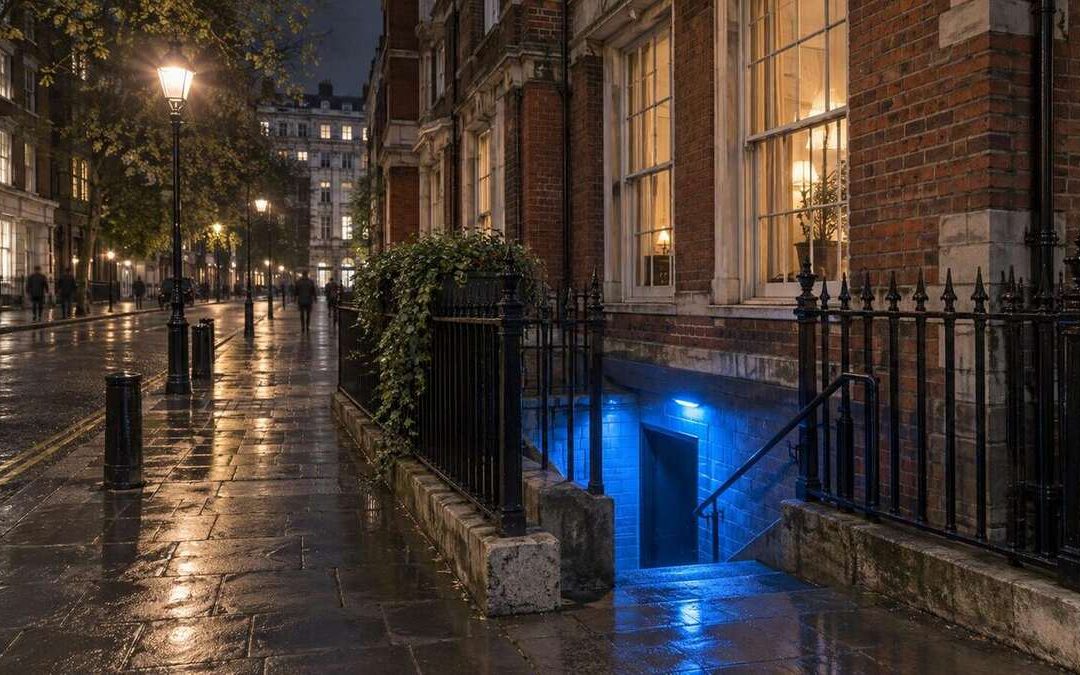
In short: The End was a nightclub at 18 West Central Street in London’s West End. It opened on 2 December 1995, was founded by the DJs Layo Paskin and Mr C, and was designed by Paskin’s father, the architect Douglas Paskin. It became known for its sound system and its weekly nights across house, techno, drum and bass and indie. After a developer bought the block, it closed with a party that began on 24 January 2009 and ran for more than 24 hours.
The End nightclub, London, is remembered by many DJs as one of the best-sounding rooms the city ever had. This page tells its history from the lease to the last record. Endnotes is not The End. We are an independent site that now uses this address, which the club once used, and we have no connection to its founders, staff or any successor business. Every fact below comes from published sources, linked at the end.
Two terms help. An all-nighter is a party that runs from late evening until morning. A dubplate is a one-off acetate or test pressing of a new track, cut so that a DJ can play it before release. Both were part of daily life at The End.
Who founded The End nightclub?
The End was founded by Layo Paskin, later one half of the duo Layo & Bushwacka!, and Mr C, whose real name is Richard West and who had chart success with The Shamen. DJ Mag says Layo had been promoting parties since he was 16 and asked his father, the architect Douglas Paskin, to look out for a site. Douglas found the derelict premises on West Central Street, historically a postal building.
Speaking to Property Week, Paskin said the building had been a whisky store and before that a Royal Mail stable, and that in 1993, during a recession, the owner granted the lease for £50,000. Mr C put down that first sum. The partners raised around £400,000 from investors and borrowed about £250,000 from a bank; Douglas Paskin took shares in return for the design. Zoe Paskin, Layo’s sister, became managing director, and Liam O’Hare was general manager from opening to closing.
Opening night and the design
The End opened on Saturday 2 December 1995, two days before its liquor licence arrived, so drinks at the opening party were given away; DJ Mag puts their value at £35,000. The line-up included Mr C, Ron Trent, Chez Damier and Stacey Pullen. Wikipedia gives a capacity of 800, or 1,000 with the bar next door.
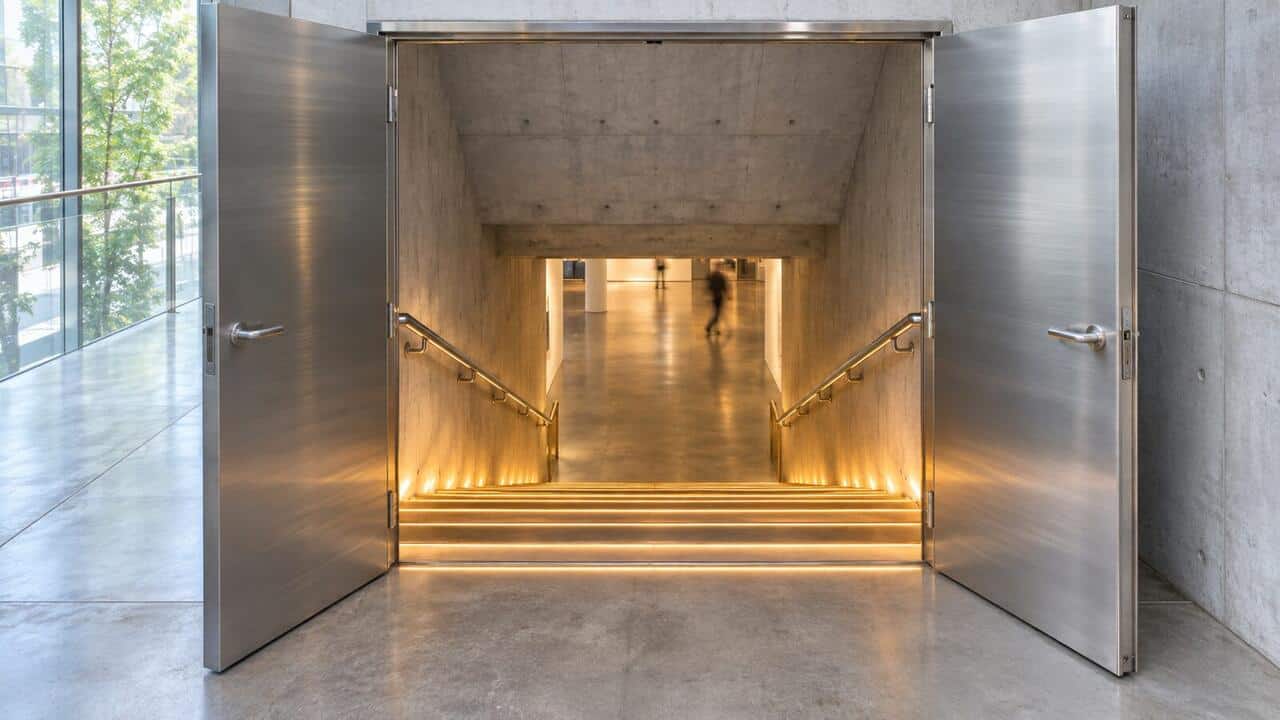
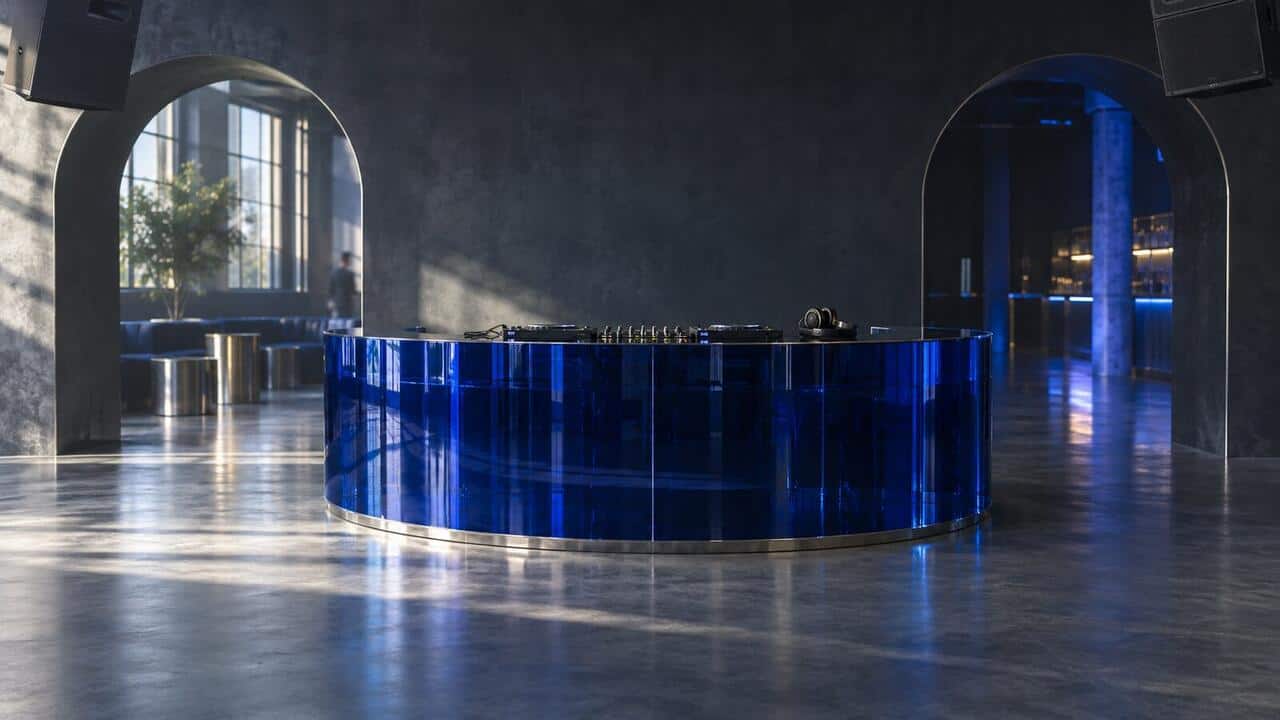
Douglas Paskin’s design aimed to combine cutting-edge music with a smooth and safe night out. Shining metal doors led down glowing stairs to the basement. The main room had a sprung dancefloor to ease the strain on dancers’ legs, and a water fountain let people refill bottles for free. A Speed Bar at the back served only beer and water to cut queues. Walls, arches and the booth were curved, with no sharp edges to break up the sound, and the horseshoe-shaped DJ booth of cobalt-blue glass sat in the middle of the room so the DJ could see down both sides of the floor.
The sound system
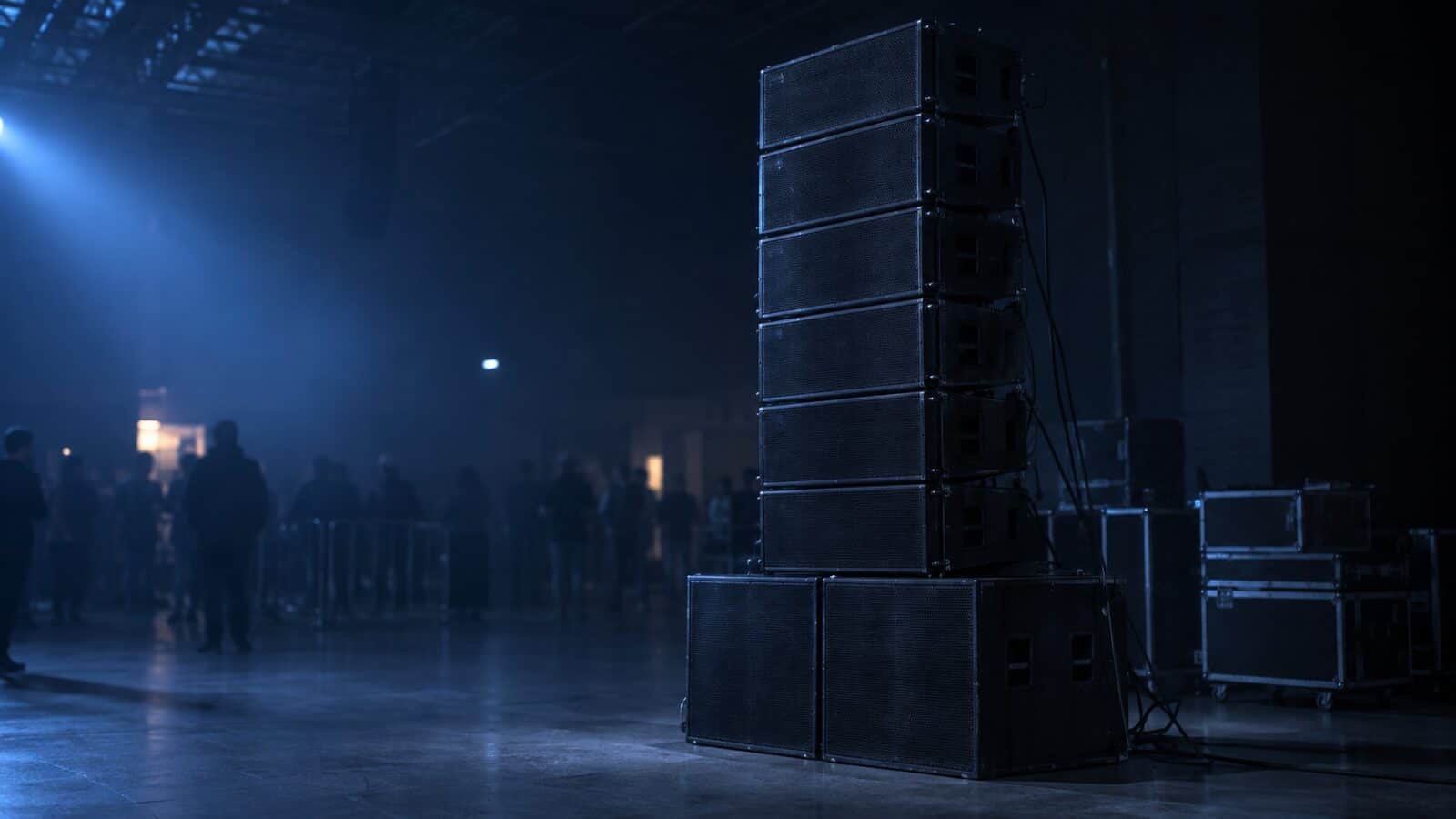
The club’s custom Thunder Ridge sound system began as a four-way design and was upgraded to five-way. The engineer Gareth Hughes, known as Cyclon, ran the desk from 1996 until the club closed and, according to DJ Mag, saved separate profiles for different artists: more mid-range for the guitar-led Trash, more low-end detail for Andy C. Producers tested new music there. Chase & Status tried out most of their 2008 album on the system, and Layo & Bushwacka!’s 1999 track “Low Life” was made with the room in mind.
That attention to sound is part of why the club still features in discussions of what makes a nightclub unique.
The nights
The original plan gave each night of the week its own identity. Saturdays were house and techno, led by Mr C’s party Subterrain, which Laurent Garnier and Sven Väth came to call home. Fridays began with breaks and became a centre of drum and bass after LTJ Bukem’s Speed all-nighter, with Full Cycle, Renegade Hardware and RAM all running there. Sundays were DTPM, the club’s gay night, and the Sunday speed-garage party Twice as Nice became so popular that DJ Mag says the club was one year the fourth-biggest seller of Moët in the country.
Erol Alkan’s Trash, on Mondays, was an inclusive night for art students and outsiders where LCD Soundsystem played their second-ever show in 2002. Wikipedia lists Roni Size, Fatboy Slim and Zero 7 among the residents, and a Wednesday dubstep night. By the early 2000s The End was open every night of the week. Our wider history of London club culture places these nights alongside Ministry of Sound and fabric.
AKA, the bar next door
Paskin launched AKA next door, which he described to Property Week as London’s first cocktail DJ bar, with a restaurant on the mezzanine; sources give 1998 or 1999 for its opening. In the early 2000s the two venues were joined into one site with four spaces of different sizes and moods. Wikipedia reports that by 2005 the business had a turnover of more than £5 million and profits of £500,000.

Why The End closed in 2009
In 2007 a developer bought the whole block on West Central Street, planning flats. Paskin told Property Week that the club had ten years left on its lease and that the offer was worth more than ten years of its best-ever profit: “our heads ruled our hearts and we sold.” DJ Mag quotes him saying a new generation was coming through and the club might have become “slightly removed”. The landlord allowed it to stay open for two more years.
The closing party began at 8 p.m. on Saturday 24 January 2009 and ran into the Sunday evening. Laurent Garnier, Layo & Bushwacka!, Mr C and Erol Alkan played. There were no advance tickets; the door price was £40, falling to £20 at 6 a.m. People in the queue were handed doughnuts and tea, and some were given headphones linked to the set downstairs.
The property crash stalled the flats. Wikipedia records that the site reopened as a club called The Den in May 2009, which closed in July 2012 when its licence was revoked, and that the building then stood empty for years. After the club, Layo and Zoe Paskin moved into restaurants and opened The Palomar in 2014. The End’s closure came at the start of a period in which, according to the Mayor of London, the city lost about half its nightclubs.
Key takeaways
- The End opened at 18 West Central Street on 2 December 1995 and closed in January 2009.
- It was founded by Layo Paskin and Mr C and designed by Douglas Paskin.
- Its sprung floor, free water and Thunder Ridge sound system set it apart.
- Each night had its own identity, from Subterrain and RAM to Trash and DTPM.
- It closed after a developer bought the block, with a party that lasted more than 24 hours.
Common questions
Where was The End nightclub in London?
At 18 West Central Street in the West End, a few minutes’ walk from Tottenham Court Road station, in the Bloomsbury area.
When did The End nightclub close?
The closing party began on Saturday 24 January 2009 and continued into Sunday 25 January. The club then handed the building to the developer.
Who played at The End?
Residents and regulars included Mr C, Layo & Bushwacka!, Laurent Garnier, Sven Väth, Andy C, Erol Alkan, Fatboy Slim and Roni Size. Daft Punk played formative gigs there, according to DJ Mag.
What does “goodbye baby” refer to on this address?
This web address was used by the club around its closure. We have kept the address and use it for this history of the club.
Is The End nightclub open today?
No. The End closed in 2009. This site is an independent history and is not run by the club or its founders.
How we put this together: the founding, design, sound and closing details come from DJ Mag’s 2019 long read and Layo Paskin’s interview with Property Week; capacity, residents and the later history of the site come from Wikipedia’s entry, which cites The Independent. Where sources disagree, as on AKA’s opening year, we give both dates.
Sources
- DJ Mag: This is The End, the club that changed London, 2019
- Property Week: Layo Paskin interview
- Wikipedia: The End (club)
- WNYC: Social Fabric, 2016
- London Assembly: Mayor’s answer on nightclub closures
- BBC News: Last call, what’s happened to London’s nightlife?, 2016
Back to the Endnotes home page. Read next: how London clubs marketed themselves.